

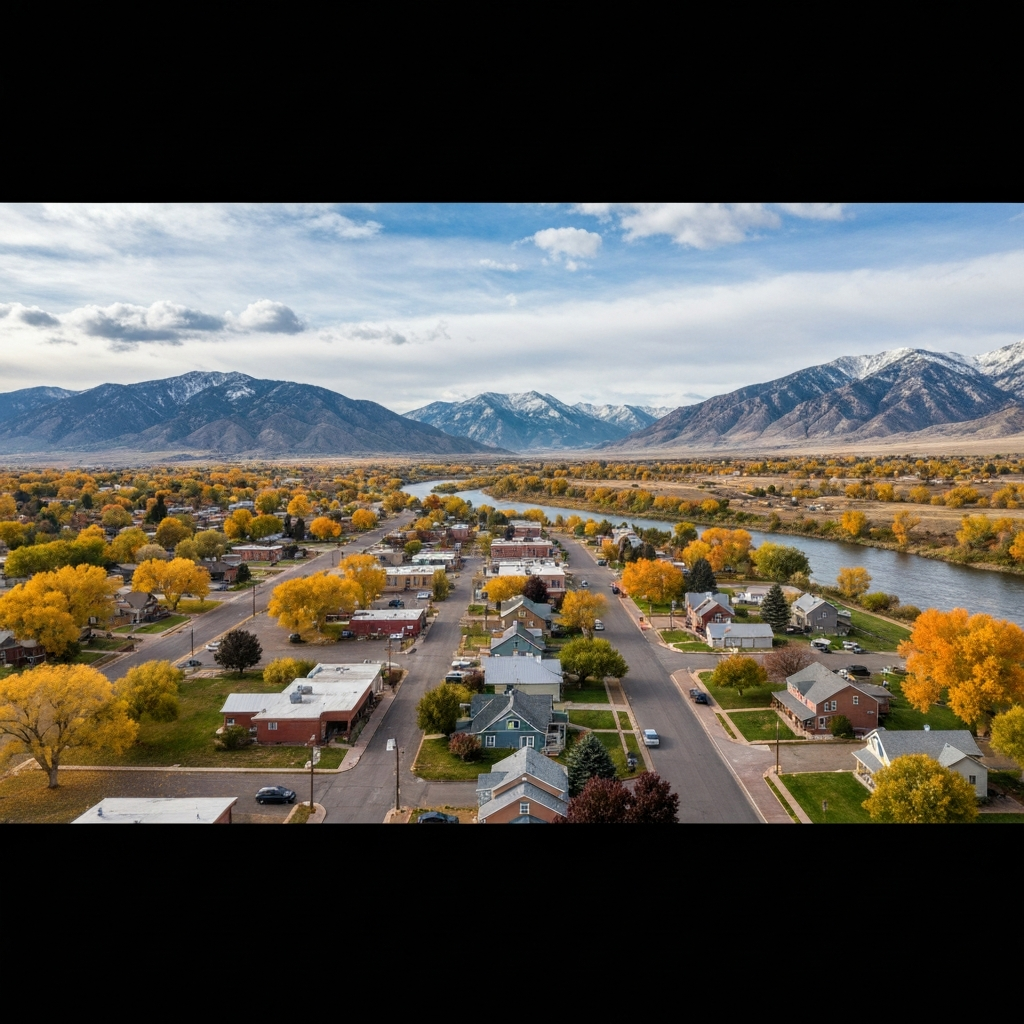
Monte Vista, nestled in the San Luis Valley of Colorado, experiences a distinctive climate characterized by significant seasonal variations and a semi-arid environment. Understanding these patterns is essential for residents and visitors alike.
Seasonal Temperature Variations
The region’s climate features warm summers and cold winters. Average high temperatures in July, the warmest month, reach approximately 80°F (27°C), while January, the coldest month, sees average highs around 30°F (-1°C). Nighttime temperatures can drop significantly, with January lows averaging near 0°F (-18°C). Such fluctuations necessitate preparedness for both heat and cold throughout the year.
Precipitation and Snowfall
Monte Vista receives an average annual precipitation of about 7 inches (178 mm), with approximately 80% occurring between April and October. This period often brings light afternoon showers originating from the surrounding mountains. Snowfall averages between 25 to 35 inches (64 to 89 cm) annually, primarily in the winter months, contributing to the region’s water resources and supporting local agriculture.
Environmental Considerations
The city’s elevation at 7,666 feet (2,337 meters) influences its climate, leading to cooler temperatures and a semi-arid environment. The surrounding mountain ranges, reaching altitudes over 14,000 feet (4,267 meters), play a crucial role in weather patterns, including precipitation distribution and wind currents. These factors contribute to the unique environmental conditions of Monte Vista.
Understanding Monte Vista’s climate is vital for planning activities, agricultural practices, and daily life. Staying informed about seasonal changes and weather patterns ensures safety and enjoyment in this beautiful region.