

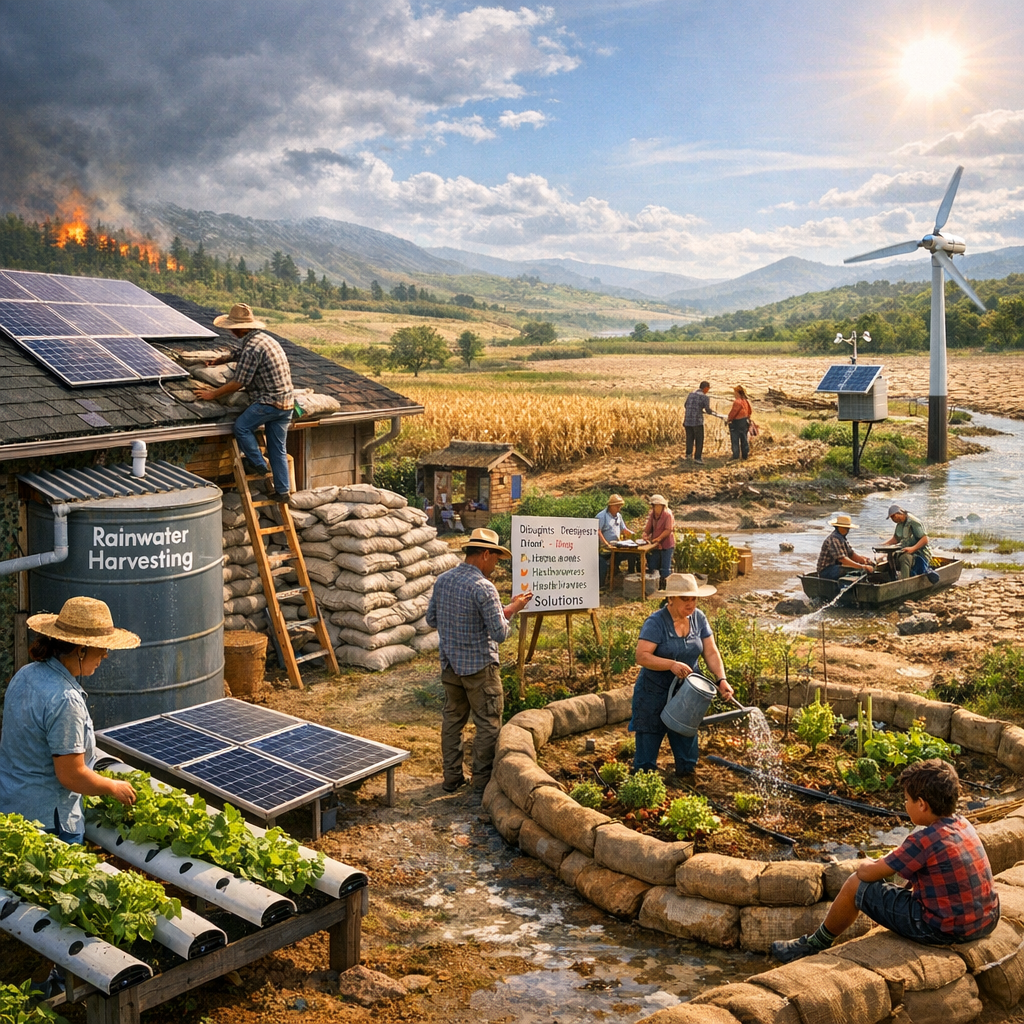
In our interconnected world, global events such as climate change and pandemics have profound effects on rural communities. Understanding these impacts is crucial for developing strategies to enhance resilience and sustainability.
Climate Change and Rural Vulnerability
Rural areas are particularly susceptible to climate change due to their reliance on natural resources. Changes in temperature and precipitation patterns can disrupt agriculture, forestry, and water resources, leading to economic instability. For instance, increased frequency of droughts and floods can devastate crops and livestock, threatening the livelihoods of farmers and ranchers. Additionally, rural infrastructure, often less robust than urban counterparts, may suffer from extreme weather events, further isolating these communities.
Pandemics and Health Challenges
The COVID-19 pandemic highlighted the vulnerabilities of rural health systems. Limited healthcare facilities, fewer medical professionals, and greater distances to care centers exacerbated the challenges faced by rural populations. Economic downturns resulting from global health crises can also lead to job losses and decreased income, making it harder for families to access essential services and maintain their well-being.
Building Resilience in Rural Communities
To mitigate the impacts of global events, rural communities can adopt several strategies:
- Diversifying Economies: Encouraging a mix of agricultural and non-agricultural activities can reduce dependence on a single industry, providing economic stability during global disruptions.
- Investing in Infrastructure: Enhancing transportation, communication, and healthcare infrastructure can improve access to services and facilitate quicker responses to emergencies.
- Community Engagement: Strengthening local organizations and fostering community networks can enhance collective action and resource sharing during crises.
- Education and Training: Providing education on sustainable practices and disaster preparedness can empower individuals to adapt to changing conditions and reduce vulnerability.
By proactively addressing these areas, rural communities can better withstand the challenges posed by global events and continue to thrive in an ever-changing world.